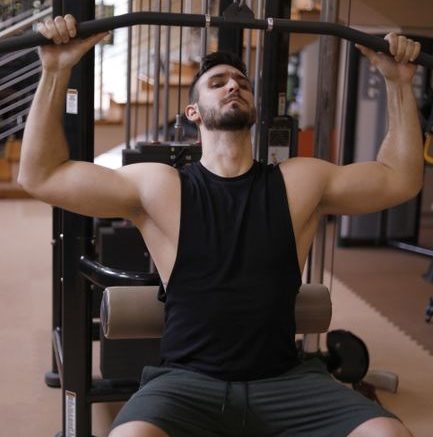
Body Pump Workout Routine PDF: 60‑Minute Barbell Class Overview
The Body Pump PDF offers a 60‑minute barbell class‚ outlining warm‑ups‚ 12 exercise sets‚ and a cool‑down. It details reps‚ sets‚ and weight guidelines‚ emphasizing form over load. The guide includes music cues‚ breathing tips‚ and progress tracking for consistent gains. Download the PDF for instructions today.
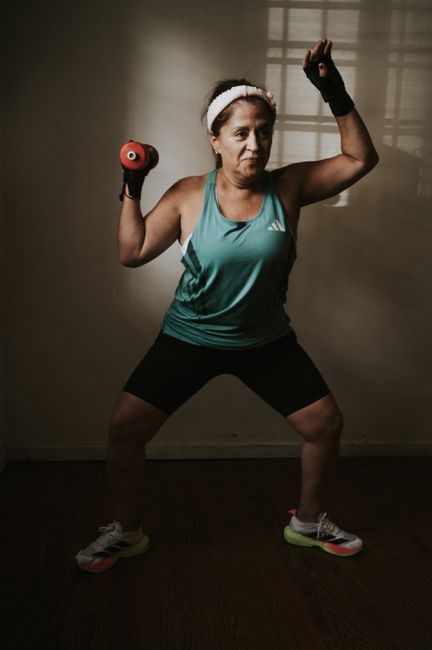
Origin of Body Pump – New Zealand 1991
Body Pump was conceived in 1991 by Les Mills in New Zealand‚ emerging from the fusion of aerobic and strength training philosophies that were gaining traction worldwide. The program was designed to provide a full‑body workout using a single barbell‚ emphasizing high repetitions and controlled movement to maximize muscle endurance and cardiovascular engagement. Its creation was driven by the need for a scalable‚ group‑fitness format that could be delivered in studios and gyms with minimal equipment‚ yet deliver measurable strength gains. The original curriculum was tested in a handful of New Zealand fitness centers‚ where participants reported increased stamina‚ improved posture‚ and a noticeable boost in confidence. The success of these pilot sessions led to a formal launch in 1991‚ and the program quickly spread across the Pacific‚ gaining popularity in Australia before making its way to the United States and Europe. By 1993‚ Body Pump had become a staple in Les Mills’ global fitness library‚ and its structured‚ music‑driven approach set a new standard for barbell classes worldwide. The program’s roots in New Zealand’s vibrant fitness culture‚ combined with Les Mills’ commitment to scientific training protocols‚ created a unique blend of accessibility and effectiveness that continues to resonate with athletes and casual exercisers alike. Today‚ Body Pump remains a flagship offering in the Les Mills portfolio‚ celebrated for its ability to deliver comprehensive strength conditioning in a dynamic‚ group‑based setting.
Since its inception‚ Body Pump has evolved through successive editions‚ incorporating updated exercise variations‚ advanced barbell techniques‚ and refined music selections to keep participants engaged. The program’s emphasis on form‚ breathing‚ and progressive overload has made it a favorite among fitness professionals seeking a versatile‚ evidence‑based class that can be tailored to all skill levels. Its enduring popularity underscores the lasting impact of the 1991 New Zealand innovation‚ which set the foundation for modern group fitness and continues to inspire new generations of barbell enthusiasts worldwide. Its global reach now spans over 100 countries‚ illustrating the universal appeal of its design. Join the movement!!
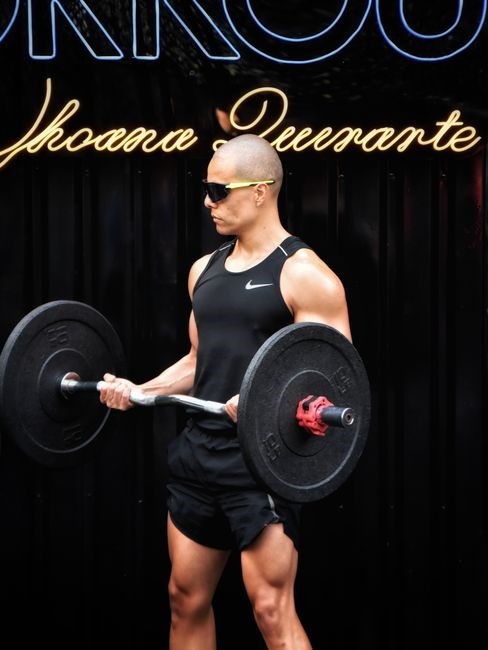
Les Mills Body Pump – Class Structure and Music Integration
Body Pump’s 60‑minute format is divided into four distinct phases: a dynamic warm‑up‚ a series of 12 strength sets‚ a cardio‑intensity burst‚ and a cool‑down stretch. Each strength set follows a 5‑minute cycle‚ with 20 repetitions at a moderate load‚ 10 at a heavier load‚ and 10 at a lighter load‚ all performed to a carefully curated soundtrack. The music is synchronized to the tempo of each exercise‚ providing a rhythmic cue that enhances timing and breathing patterns. The first 10 minutes feature upbeat‚ high‑energy tracks that prime the body for movement‚ while the middle 30 minutes shift to mid‑tempo beats that maintain focus during the heavy lifts. The final 10 minutes transition to slower‚ soothing melodies to support recovery and stretching. This integration of music and movement not only keeps participants motivated but also creates a measurable cadence that can be tracked for performance improvements. The program’s design ensures that the tempo of the music aligns with the desired rep pace‚ encouraging consistency and reducing the risk of form breakdown. By embedding music cues into the structure‚ Les Mills delivers a cohesive experience that blends cardiovascular stimulus with strength conditioning‚ making each session both effective and engaging.
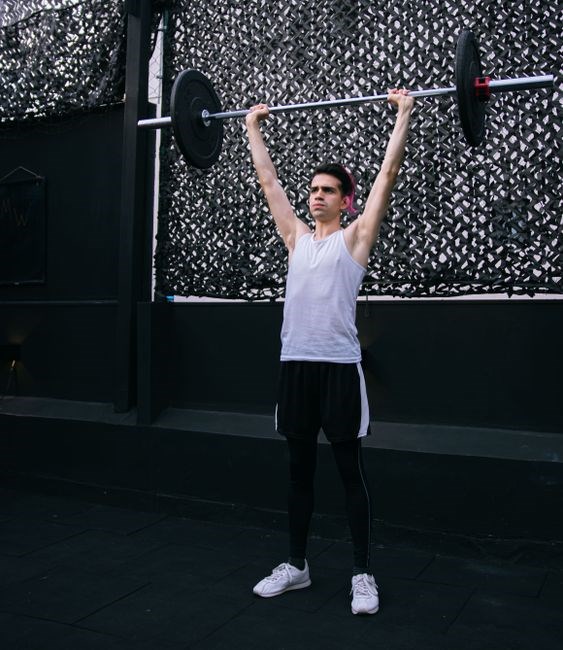
Equipment Required for Body Pump PDF Routine
Barbell‚ adjustable plates‚ sturdy bench‚ weight‑lifting shoes‚ moisture‑wicking tee‚ shorts‚ and a water bottle. Optional: resistance bands‚ heart‑rate monitor‚ and a yoga mat for stretching. Ensure all gear fits the 60‑minute class plan.and a towel.
Barbell Weights – Recommended Load for 20 Repetitions
The Body Pump PDF specifies that for most participants‚ a barbell load of 20–25 % of one‑rep max is ideal for 20 repetitions. This range allows full range of motion‚ maintains proper form‚ and reduces injury risk. For beginners‚ start with the standard 45‑lb bar (20 lb plates on each side) and progress to 55–65 lb as strength improves. Advanced lifters may use 75–85 lb for upper‑body moves and 95–105 lb for lower‑body squats‚ but always confirm the load with a spotter or coach. The PDF emphasizes that the goal is to complete 20 reps with controlled tempo‚ not to lift the heaviest weight possible. It also recommends adjusting the barbell by adding or removing 5‑lb plates to fine‑tune the load for each exercise. Proper grip width‚ foot stance‚ and core engagement are highlighted to ensure stability throughout the set. Finally‚ the document advises re‑checking weights after each warm‑up set to account for fatigue and to keep the intensity consistent across all 12 sets.
The guide lists suggested barbell weights for each exercise‚ e.g.‚ a beginner woman may use 35 lb for squats and 25 lb for presses‚ while an advanced male might load 95 lb for squats and 70 lb for presses. Adjust the weight by 5‑lb increments if the last two reps feel too easy or too hard. Tracking the weight used each session helps spot strength plateaus and informs when to increase the load. Remember‚ consistency and gradual progression are key to long‑term gains. Stay fit!! and keep going for results today!!
Proper Attire – Moisture‑Wicking‚ Comfortable Clothing
Body Pump demands full‑body movement‚ so the right apparel can boost performance and safety. Moisture‑wicking fabrics like polyester blends or merino wool pull sweat away from the skin‚ keeping you dry during high‑intensity sets. Avoid cotton‚ which retains moisture and can cause chafing. A fitted top with a supportive bra or sports bra ensures stability for upper‑body presses and curls. For bottoms‚ choose compression leggings or athletic shorts that allow a full range of motion for squats‚ lunges‚ and deadlifts. A snug fit reduces friction against the barbell and prevents accidental slips. Footwear is critical; low‑cut‚ stable trainers with a flat‚ non‑slip sole provide the necessary grip for barbell work. Avoid high‑top shoes that may limit ankle mobility. Layering is optional but useful for cooler studios: a lightweight zip‑up jacket or hoodie can be removed mid‑class. Accessories such as a sweat‑absorbing headband or wrist wraps help maintain focus. Always check that your clothing has no loose threads or embellishments that could snag on the bar. Proper attire not only enhances comfort but also reduces the risk of injury‚ allowing you to focus on form and repetition. Keep your gear clean‚ dry‚ and ready for the next session. Stay fit!! and keep going for results today!! Remember‚ consistency beats intensity; aim for steady progress‚ listen to your body‚ and celebrate every milestone. Your dedication fuels long‑term strength‚ endurance‚ and confidence. Stay motivated‚ stay disciplined‚or enjoy the journey toward a stronger you
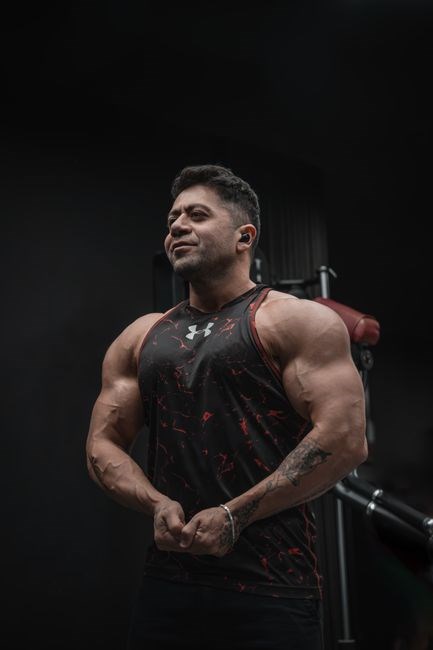
Core Upper‑Body Exercises Highlighted in the PDF
The PDF spotlights biceps curls‚ triceps extensions‚ overhead presses‚ chest presses‚ and bent‑over rows. Each exercise is paired with set‑rep schemes and weight guidelines to build upper‑body strength while maintaining form and endurance. The routine features shoulder raisesand lat pulldowns forgrowth.!
Squats‚ Lunges‚ and Deadlifts – Lower‑Body Focus
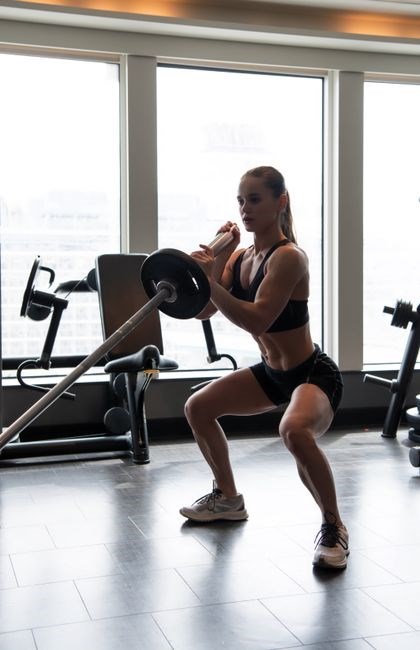
In the Body Pump PDF‚ the lower‑body segment centers on three core lifts: squats‚ lunges‚ and deadlifts. Each movement is broken into 12 sets of 20 repetitions‚ with progressive load increments every four sets. The PDF advises a starting weight that allows you to maintain proper form for the full 20 reps‚ then increase by 5–10 lb for the next block. Squats target the quadriceps‚ hamstrings‚ glutes‚ and core‚ with a slight forward lean to protect the lower back. Lunges emphasize unilateral leg strength and balance‚ alternating forward and reverse steps to hit the inner and outer thighs; Deadlifts focus on posterior chain development‚ engaging glutes‚ hamstrings‚ lower back‚ and traps‚ with a strict neutral spine and hip hinge technique. The routine incorporates tempo cues—2 seconds down‚ 1 second pause‚ 2 seconds up—to maximize muscle tension. Between sets‚ the PDF recommends a 30‑second rest‚ encouraging hydration and light mobility work. The lower‑body portion is designed to elevate heart rate while building strength‚ ensuring a balanced full‑body workout within the 60‑minute class structure. Participants track progress by noting weight changes‚ rep counts‚ and exertion levels‚ using the PDF’s log format; Consistently applying tempo‚ load progression‚ and recovery guidelines lets athletes gain endurance‚ stability‚ and fitness‚ while enjoying Body Pump’s rhythmic group atmosphere. Stay consistent‚ stay strong. daily! Keep pushing forward! Your consistency fuels progress. Stay focused‚ stay strong.!!!
Biceps Curls and Triceps Extensions – Upper‑Body Strength
Body Pump’s upper‑body segment focuses on biceps curls and triceps extensions‚ each performed in 12 sets of 20 reps with progressive loading. The PDF recommends starting with a weight that allows full range of motion for the entire set‚ then adding 5–10 lb every four sets. For biceps curls‚ the stance is shoulder‑width‚ elbows close to the torso‚ and a controlled 2‑second lift and 2‑second lower. This tempo maximizes muscle tension and reduces momentum. Triceps extensions follow a similar cadence‚ using a barbell or dumbbell‚ keeping the upper arm stationary while the forearm moves. The routine emphasizes a neutral wrist position and a slight pause at the peak contraction to enhance isolation. Between each set‚ the PDF advises a 30‑second rest‚ encouraging hydration and light mobility to maintain blood flow. Tempo cues‚ such as “count 2 down‚ 1 pause‚ 2 up‚” are integrated into the music to keep rhythm and focus. The program’s structure allows participants to track progress by recording weight‚ rep count‚ and perceived exertion. Consistent application of proper form‚ progressive overload‚ and adequate recovery leads to improved arm strength‚ joint stability‚ and overall upper‑body conditioning while enjoying the group atmosphere of a 60‑minute barbell class. Stay focused‚ stay strong‚ and keep pushing forward.
Participants log lifts‚ monitor heart rate‚ and adjust weights weekly to sustain overload while protecting joint health and preventing injury for gain!!
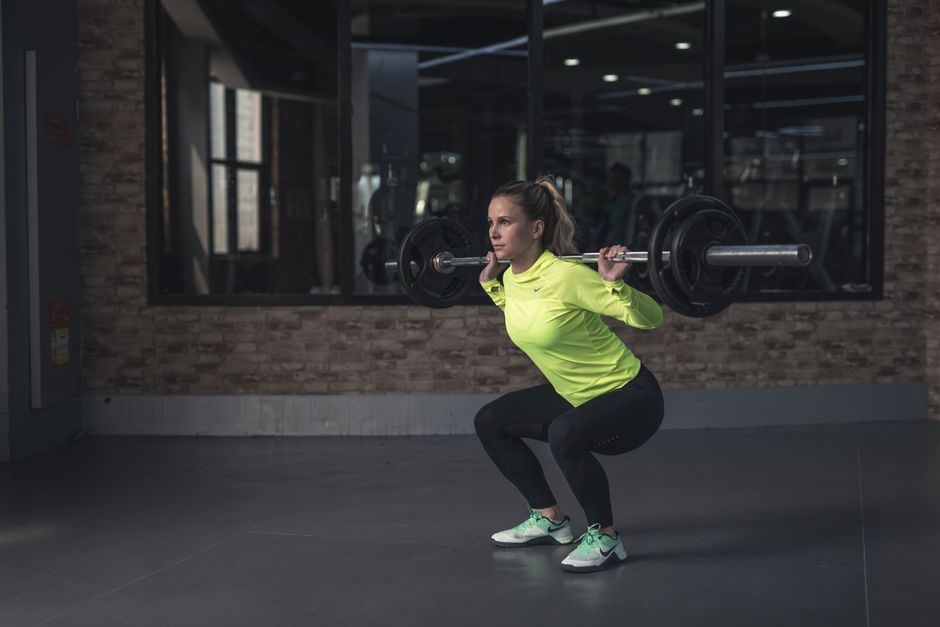
Health Benefits – Strength‚ Endurance‚ and Cardiovascular Improvement
Body Pump’s 60‑minute barbell format delivers a full‑body stimulus that boosts muscular strength‚ improves aerobic capacity‚ and enhances cardiovascular health. By cycling through 12 high‑rep sets of squats‚ presses‚ curls‚ and extensions‚ participants elevate heart rate for 45 minutes while maintaining a steady tempo. The sustained load increases myofibrillar density‚ leading to measurable gains in lean mass and functional power. Simultaneously‚ the rhythmic movement trains the cardiovascular system‚ raising VO₂ max and improving circulation. The routine’s structure—short rest intervals and continuous motion—creates a metabolic demand that promotes fat oxidation and improves insulin sensitivity. Participants report increased stamina for daily tasks‚ better posture from core engagement‚ and a sense of well‑being after each session. Consistency over weeks builds endurance‚ allowing the body to adapt to higher workloads without excessive fatigue. The program also encourages proper breathing and posture‚ reducing strain on the spine and joints. Hydration‚ warm‑up‚ and cool‑down protocols embedded in the PDF ensure safety and maximize recovery. Overall‚ Body Pump offers a balanced approach that strengthens muscles‚ elevates heart health‚ and supports long‑term metabolic fitness. Participants who commit to the routine experience a shift in body composition‚ with increased lean mass and reduced body fat while also reporting higher energy levels and improved sleep quality.
Body Pump’s 60‑minute barbell format delivers a full‑body stimulus that boosts muscular strength‚ improves aerobic capacity‚ and enhances cardiovascular health. By cycling through 12 high‑rep sets of squats‚ presses‚ curls‚ and extensions‚ participants elevate heart rate for 45 minutes while maintaining a steady tempo. The sustained load increases myofibrillar density‚ leading to measurable gains in lean mass and functional power. Simultaneously‚ the rhythmic movement trains the cardiovascular system‚ raising VO₂ max and improving circulation. Participants report increased stamina for daily tasks‚ better posture from core engagement‚ and a sense of well‑being after each session. Consistency over weeks builds endurance‚ allowing the body to adapt to higher workloads without excessive fatigue. The program also encourages proper breathing and posture‚ reducing strain on the spine and joints. Hydration‚ warm‑up‚ and cool‑down protocols embedded in the PDF ensure safety and maximize recovery. Overall‚ Body Pump offers a balanced approach that strengthens muscles‚ elevates heart health‚ and supports long‑term metabolic fitness.
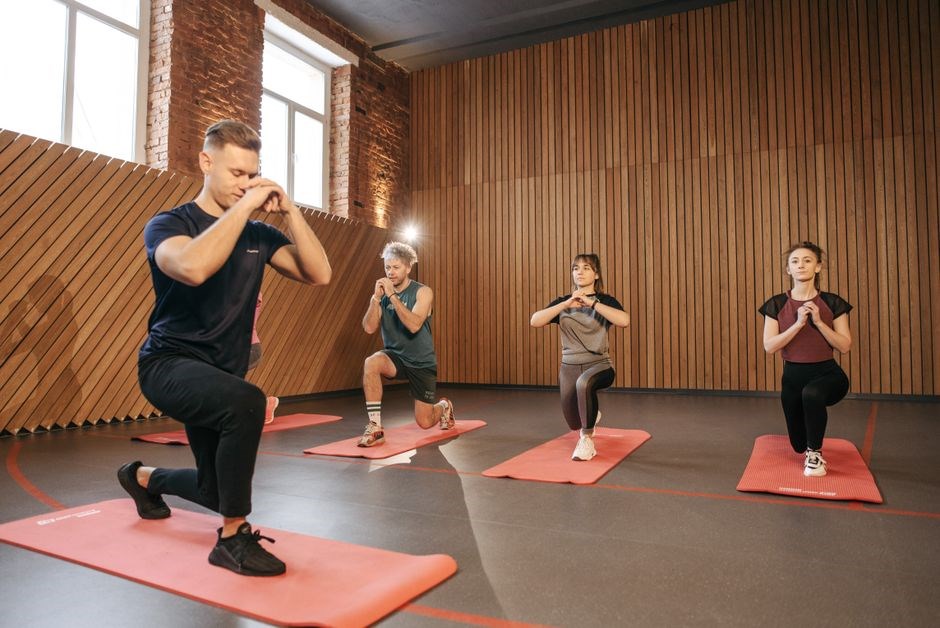
Common Mistakes to Avoid – Poor Form‚ Over‑Loading‚ and Lack of Hydration
Third‚ neglecting hydration can cause cramps‚ dizziness‚ or fatigue. The PDF recommends sipping water 2–3 minutes and replenishing electrolytes to maintain performance avoid dehydration now!
By addressing form‚ load‚ and hydration‚ participants maximize health benefits and reduce injury risk while staying safe!!!!!
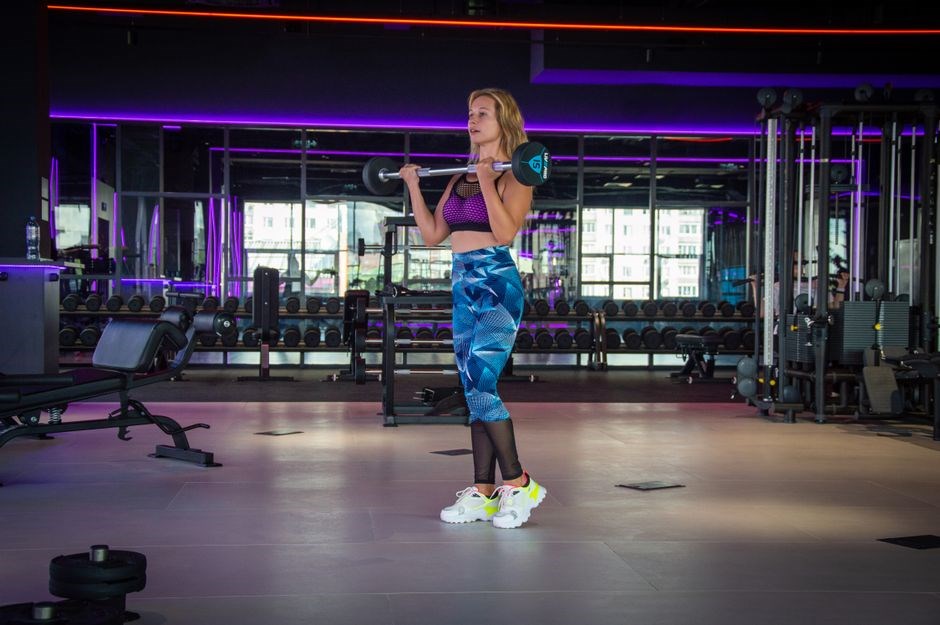
Safety Guidelines – Warm‑Up‚ Cool‑Down‚ and Proper Technique
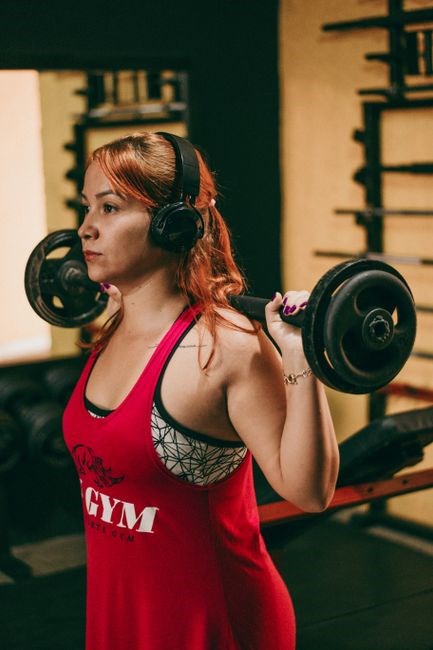
How to Download and Use the Body Pump Routine PDF
Before each Body Pump session‚ a 5‑minute dynamic warm‑up is essential. Light cardio such as marching in place or a brisk walk‚ followed by joint‑mobilizing movements—arm circles‚ hip rotations‚ and ankle rolls—prepares the nervous system and increases blood flow to major muscle groups. This primes the body for the high‑rep‚ low‑weight format of the class‚ reducing the risk of strain or sprain. Following the warm‑up‚ the PDF recommends a brief mobility drill for the hips and shoulders‚ ensuring a full range of motion for squats‚ presses‚ and curls. Proper technique is highlighted throughout the routine: maintain a neutral spine‚ engage the core‚ and keep the knees tracking over the toes during squats and lunges. The barbell should be positioned at chest height for presses‚ and the elbows should stay close to the torso for curls and extensions. Breathing cues—exhale on exertion‚ inhale on the eccentric phase—are embedded in the music to reinforce rhythm and prevent breath‑holding‚ which can raise intra‑abdominal pressure. After the 60‑minute workout‚ a cool‑down of 5–10 minutes of static stretching targets the quadriceps‚ hamstrings‚ chest‚ and triceps. Hold each stretch for 20–30 seconds‚ breathing deeply to promote relaxation. The PDF also stresses the importance of listening to your body: if you feel sharp pain or excessive fatigue‚ pause and adjust the load or skip the set. Hydration is critical; sip water every 2–3 minutes and consider an electrolyte drink if sweating heavily. Finally‚ always use a spotter or a safety rack for heavy lifts‚ and keep the barbell within reach of the floor to prevent accidental drops. By following these guidelines‚ participants can safely maximize strength gains while minimizing injury risk.
To download the official Body Pump PDF‚ go to the Les Mills website or a licensed distributor’s portal. Click the “Download” button on the class page. If you’re not logged in‚ sign in or create a free account. Once authenticated‚ the PDF appears in your download area; click the icon to save it. Desktop users open it in the default PDF viewer; mobile users see it in the browser’s built‑in viewer‚ allowing pinch‑to‑zoom and swipe navigation
Open the PDF on any platform—Windows‚ macOS‚ iOS‚ Android‚ or Linux. The file is ready for print or digital use‚ with a clear table of contents and exercise descriptions. For a hard copy‚ choose “Print” and a high‑resolution setting. Keep the file in a dedicated folder on your tablet or phone for quick reference
In a group class‚ share the PDF with the instructor so they can project it or hand out copies. For solo training‚ the digital file is a ready reference. Many PDF readers let you add sticky notes or highlight text‚ which helps you track weights‚ adjustments‚ or reminders
Les Mills sometimes releases updated editions. Regularly revisit the download page and replace the older file with the newest version. Back up the PDF to cloud storage—Google Drive‚ Dropbox‚ OneDrive—or a USB drive for extra safety. With the PDF saved‚ you can confidently follow the program and track progress